Webhooks section allows you to view the existing as well as create new Webhooks. Let us take a look at how this is done.
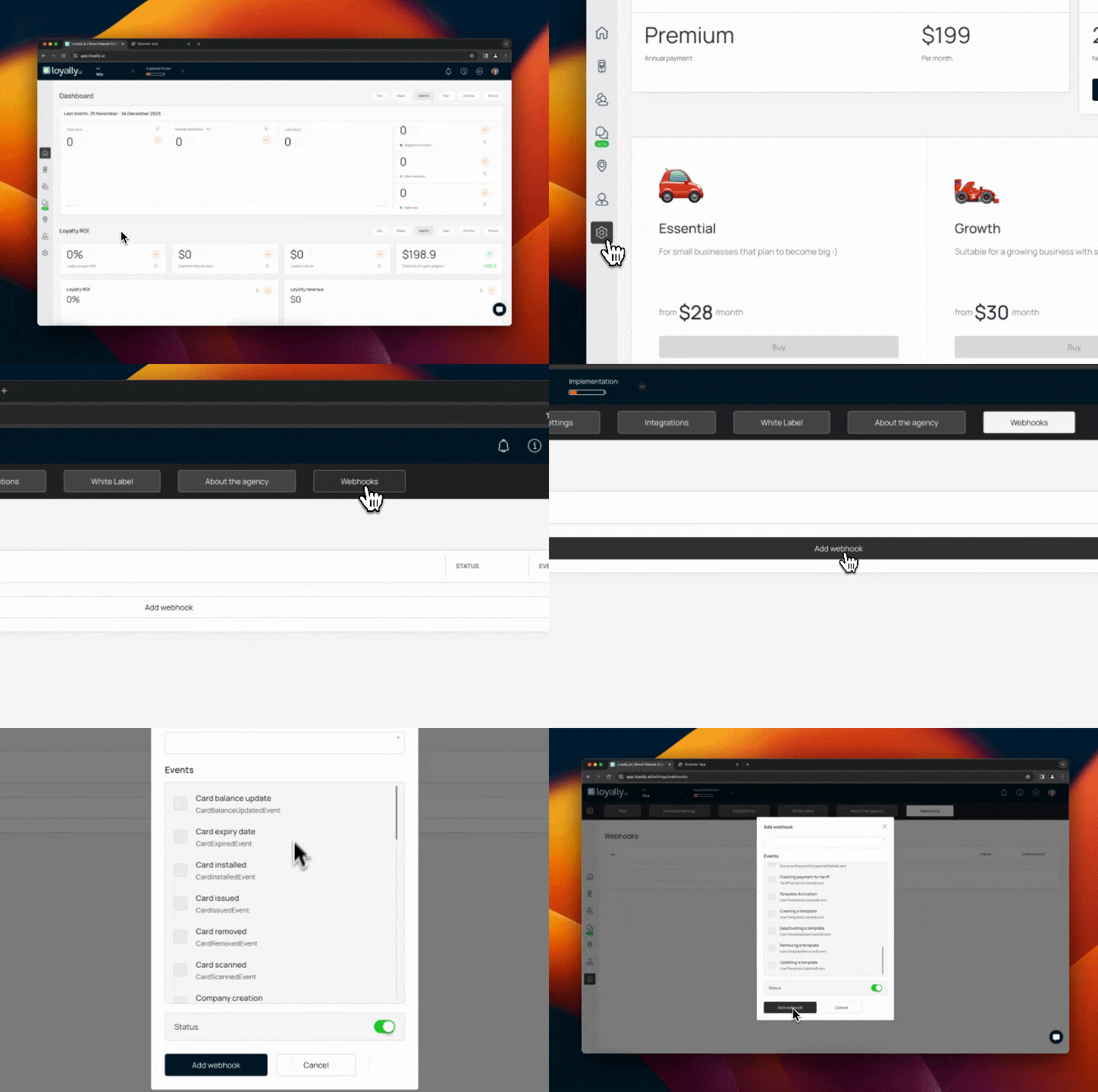
Sign in to Loyally.ai and go to 'Settings' in the Menu Panel.
Click 'Webhooks' tab. Here webhooks are shown with columns
URL
Status
Event Count
Click "Add webhook" to open the popup for creating a webhook.
Enter the URL in the top field of the popup.
Choose the event(s) you want to enable the webhook for by ✅ checking the box.
Enable the selections by toggling the "Status" toggle.
Click "Add webhook" to confirm. This adds the webhook to the Webhooks list.

In simple terms, a webhook is a user-defined HTTP callback. When a specific trigger happens in Loyally.ai (such as a customer earning points or a new reward being redeemed), Loyally.ai sends an HTTP request to the URL you configured.
CRM Updates: Automatically update a customer's profile in Salesforce or HubSpot when their loyalty tier changes.
Instant Notifications: Send a message to a Slack or Microsoft Teams channel whenever a high-value reward is redeemed.
Email Marketing: Trigger a specialized welcome or milestone email sequence in Mailchimp or Klaviyo.
Data Analysis: Stream transaction data to a Google Sheet or an external database for custom reporting.

Speed: Data is transferred instantly. This ensures your different software tools stay in sync without delay.
Efficiency: Unlike polling (where one system constantly asks another for data), webhooks only send data when there is something to report. This saves server resources.
Automation: Webhooks reduce manual data entry and the risk of human error between platforms.
Webhooks bridge the gap between Loyally.ai and the rest of your software stack. By setting them up, you move away from manual monitoring and toward a fully automated ecosystem where your data flows exactly where it needs to go.
If your webhook is not firing as expected, first check the Status column to confirm it is toggled to Enabled. You should also verify that your destination URL is active and capable of receiving POST requests.
For further assistance with advanced configurations or specific integration issues, please reach out to our support team or consult our developer documentation.
White Label Your Loyally.ai Portal
Step-by-step instructions to set up a custom domain, upload your logos and favicons, choose your brand colors, and configure meta tags—so your customers always see your branding in the Loyally.ai experience.